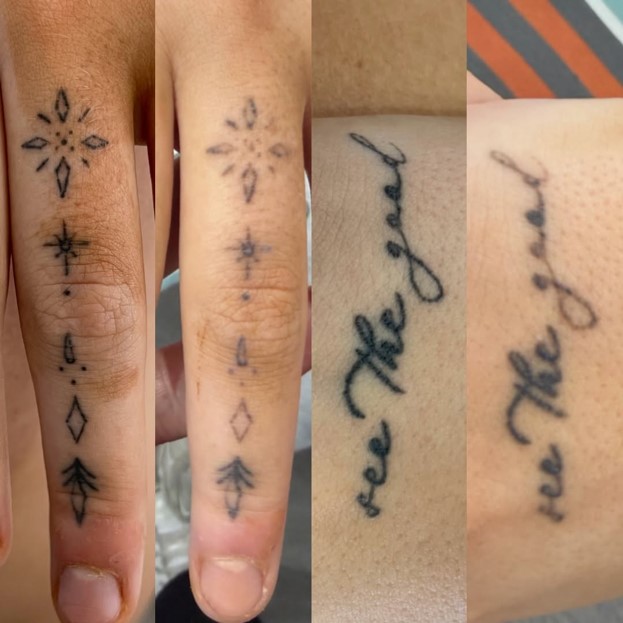
A tattoo can mean something special when you first get it. Maybe it marks a certain time in your life, reminds you of someone or simply feels like a great idea at the time. Years later, though, feelings can change. The design may no longer suit you, the memory may have faded or you may simply wish you had made a different choice. That does not make the original decision a mistake. People grow. Life changes. Sometimes your skin can carry an old chapter long after you have moved on from it.
Why People Decide to Remove a Tattoo
There is no single reason behind wanting a tattoo gone. Some people have changed their style and no longer connect with the design. Others may want to remove a name, symbol or image linked to a relationship or period of life that has passed. Then there are tattoos that were rushed, badly planned or simply looked better in the imagination than they did on the skin.
Whatever the reason, deciding to remove a tattoo can feel surprisingly emotional. It is not always about regretting the tattoo itself. Sometimes it is about wanting your appearance to reflect who you are now. Modern tattoo removal can offer an option for people who want to gradually reduce the appearance of unwanted ink, but it is important to have realistic expectations and understand that results can vary.
Every Tattoo Has Its Own Story
Not all tattoos respond in the same way to removal treatments. The colour of the ink, size of the design, depth of the pigment, location and age of the tattoo can all influence the process. Some colours may respond differently from others, while older tattoos can behave differently from newer ones.
Your skin matters too. A professional assessment can help determine what approach may be suitable and what kind of progress you might reasonably expect. This is worth doing before making any assumptions based on someone else experience. What works well for one person may not produce exactly the same result for another.
Patience Is Part of the Process
One of the biggest things to understand is that tattoo removal is usually not an instant process. Depending on the tattoo and the method being used, several treatment sessions may be needed. The skin also needs time between sessions to recover and allow the body to gradually clear the affected pigment.
It can be tempting to want everything gone as quickly as possible, especially if you have been thinking about removal for a long time. But rushing the process is rarely the answer. Giving your skin enough time between treatments is an important part of responsible care.
Looking After Your Skin Matters
When you are having treatments that affect the skin, aftercare should never be treated as an afterthought. Keeping the area clean, following professional instructions and protecting the skin from unnecessary irritation can all help support a smoother recovery.
This is also where broader skin care services may become relevant. Your skin can benefit from a consistent routine that focuses on its condition rather than simply reacting when something goes wrong. Good everyday care can help you feel more comfortable with your skin while you work through the removal process.
Give Yourself Time to Make the Change
Removing a tattoo can feel like closing a chapter. Sometimes it is a small cosmetic decision. Sometimes it carries much more meaning. Either way, there is no need to feel embarrassed about changing your mind.
The most sensible approach is to understand the process, speak with a suitably qualified professional and give your skin the time it needs. Results may take patience, and complete removal is not always possible, but gradual change can still make a meaningful difference.
Your Skin, Your Choice
There is nothing wrong with changing your mind about something that once felt permanent. Your style can change. Your priorities can change. You can simply wake up one day and realise that an old tattoo no longer belongs in the next chapter of your life.
What matters is making an informed decision and treating your skin with care along the way. Sometimes moving forward means removing something from the past. And sometimes, that simple choice can feel surprisingly freeing.



Comments are closed.